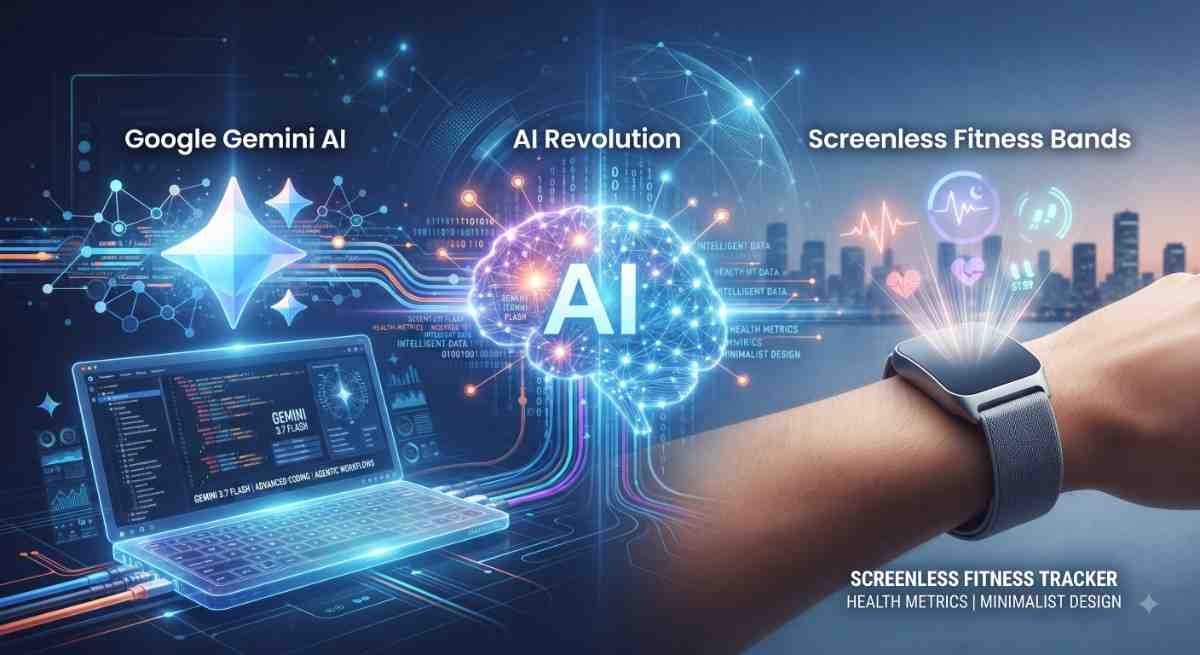
The technology landscape is shifting faster than ever. From advanced artificial intelligence models transforming software development to a sudden pivot toward minimalist, screenless wearables, the tech world in 2026 is all about smarter, more seamless integration into our daily lives.
In this edition of Latest Tech News, we break down the top breakthroughs shaking up the industry right now.
1. Google Unveils Gemini 3.7 Flash for Advanced Coding and Agents
Artificial intelligence heavyweights are locked in a continuous race for dominance, and Google has just made a major splash. The tech giant has officially rolled out Gemini 3.7 Flash, an upgraded AI model specifically tailored for complex coding tasks and agentic workflows.
- What makes it different? Unlike previous iterations focused purely on general text processing, Gemini 3.7 Flash is optimized to handle multi-step agent actions and real-time developer environments.
- Industry Impact: With rivals like Anthropic and OpenAI pushing out new developer models, Google’s latest release aims to help enterprises catch up on automation and streamline coding pipelines.
2. The Comeback of Screenless Fitness Bands
While smartwatches continue to dominate wrists with massive OLED screens and complex operating systems, a surprising trend is taking over the health tech sector: screenless fitness trackers.
Devices like the upcoming Fitbit Air are leading a charge back to minimalism.
- Why users are switching: Consumers are experiencing “screen fatigue.” Screenless bands offer continuous health metrics—such as heart rate, SpO2, and advanced sleep tracking—without the constant distraction of notifications, while also boasting significantly longer battery life.
- Market Outlook: Industry analysts note that despite a shrinking wider wearable market, screenless fitness bands are seeing a steady resurgence, proving that less is often more when it comes to wellness.
3. Global Cybersecurity Warnings: Protecting Data in an AI Era
As automation grows, so does the sophistication of cyber threats. Recent reports from global cybersecurity agencies highlight a massive surge in advanced threats targeting enterprises and everyday users alike, particularly across the Asia-Pacific region.
- Browser Cookie Hijacking: Security researchers have warned that authentication cookies are increasingly becoming prime targets for hackers, often outweighing traditional password theft.
- Proactive Defense: Tech platforms are responding by integrating on-device AI warning systems—such as WhatsApp’s testing of local Scam Alert features—to flag fraud while keeping user message privacy completely intact.
What’s Next in Tech?
The convergence of hyper-intelligent AI agents, minimalist hardware designs, and heightened data security measures define the midpoint of 2026. Whether you are a developer looking to leverage Google’s new Gemini models or a consumer looking to unplug with a screenless fitness tracker, technology is adapting to give us more efficiency with fewer distractions.
What are the main tech trends covered in the 2026 tech news?
The primary trends include advanced developer-focused AI models (such as Google’s Gemini upgrades), the resurgence of screenless, minimalist fitness trackers to combat screen fatigue, and enhanced proactive cybersecurity measures against modern browser-based threats.
Why are screenless fitness bands becoming popular again?
Many users are experiencing “screen fatigue” from smartwatches and constant notifications. Screenless fitness bands provide continuous health tracking—like heart rate, sleep quality, and SpO2—while offering days or weeks of battery life without daily distractions.
How do new AI models like Gemini 3.7 Flash help developers?
These models are optimized specifically for complex coding tasks and multi-step agentic workflows, helping developers automate pipelines, debug faster, and integrate artificial intelligence seamlessly into real-time working environments.
Are these technology trends relevant globally?
Yes. While hardware trends and AI deployments roll out globally, regions like North America and the Asia-Pacific are currently seeing rapid adoption of automated developer tools and localized security frameworks to protect user data.